

News Details
30
2026
-
01
Enhancing Public Safety: The Role of Automatic Door Sensors
Discover how automatic door sensors enhance public safety, prevent injuries, and improve hygiene. Learn about infrared, radar, and pressure technologies that make modern buildings accessible and secure.
In the modern architectural landscape, automatic doors are more than just a convenience for those with their hands full; they are critical components of building safety and accessibility. While we often take their seamless operation for granted, the sophisticated sensor technology powering these doors works tirelessly to prevent accidents and manage the flow of people.
Here is how automatic door sensors contribute to a safer, more efficient environment.
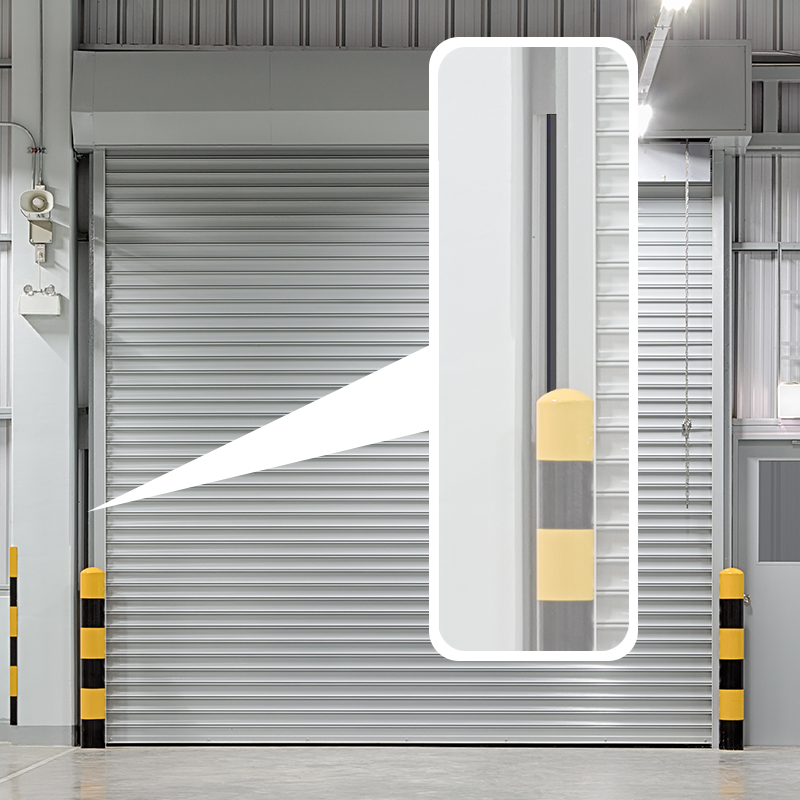
1. Collision Prevention and Obstacle Detection
The primary safety function of any automatic door is to avoid contact with pedestrians. Modern systems use a combination of technologies to ensure the door never closes on a person or an object.
Active Infrared (AIR): These sensors emit a beam of light and measure the reflection. If a person stands in the threshold, the reflection pattern changes, signaling the door to stay open.
Pressure Sensors: Often used in older "mat" systems or as a secondary safety measure, these detect weight and prevent the door from cycling.
Time-Delay Logic: Sensors are programmed with "hold-open" times, ensuring the door doesn't begin to close until a specific safety clearance is met.
2. Eliminating Physical Strain and Impact
Manual doors—especially heavy fire doors or glass storefront doors—can be difficult to operate for children, the elderly, or people with disabilities.
Controlled Momentum: Unlike a manual door that might be caught by a gust of wind and slam shut, automatic doors move at a regulated, consistent speed.
Low-Energy Operators: In many healthcare settings, sensors trigger "low-energy" movements that require very little force to stop, significantly reducing the risk of bruising or injury upon contact.
3. Improving Hygiene and Disease Control
In a post-pandemic world, safety is also measured by public health. High-touch surfaces like door handles are notorious breeding grounds for bacteria and viruses.
Touchless Entry: Motion sensors allow users to enter and exit without touching a single surface.
Cross-Contamination Reduction: In hospitals and food processing plants, sensors ensure that "clean" environments remain sterile by eliminating the need for manual contact.
4. Emergency Egress and Fire Safety
Automatic door sensors are often integrated into a building's fire alarm and security systems. In the event of an emergency, these sensors play a pivotal role:
Fail-Safe Modes: Most systems are designed to "fail open" or allow for easy manual "break-out" (pushing the doors outward) during a power outage or fire.
Smoke Detection Integration: Sensors can be programmed to close doors automatically if smoke is detected in a specific zone, helping to compartmentalize fire and protect escape routes.
5. Managing High-Traffic Flow
Congestion in a doorway is a safety hazard that can lead to tripping or crushing.
Microwave/Radar Technology: These sensors detect motion from a distance, opening the door well before a crowd reaches the threshold. This ensures a smooth, continuous flow of foot traffic, preventing bottlenecks during peak hours at malls, airports, or stadiums.
Summary of Sensor Technologies
| Sensor Type | Primary Function | Safety Benefit |
| Microwave (Radar) | Motion Detection | Opens doors early to prevent "walking into" glass. |
| Active Infrared | Presence Detection | Prevents doors from closing on stationary people. |
| Passive Infrared | Heat Detection | High sensitivity to human presence in the path. |
| Pressure Mats | Weight Detection | Simple, effective "stay open" command for thresholds. |
Conclusion
Automatic door sensors are the "silent sentinels" of our public buildings. By blending sophisticated physics with intuitive design, they do much more than just "open sesame"—they protect us from injury, improve our health, and ensure that in an emergency, the way out is clear and unobstructed. Investing in high-quality sensor technology isn't just about modernizing a building; it’s about prioritizing the well-being of every person who walks through the door.


Contact Information
Add: No.991 Xingxiu Road,Taiwanese Investment Zone, Quanzhou, Fujian Province,P.R.China
Tel: +86 136 1606 8720
E-mail: [email protected]
friendly links: GatePartsHub gate operator accessories